The Second Home Strategy: Building a Bridge Toward Hijrah
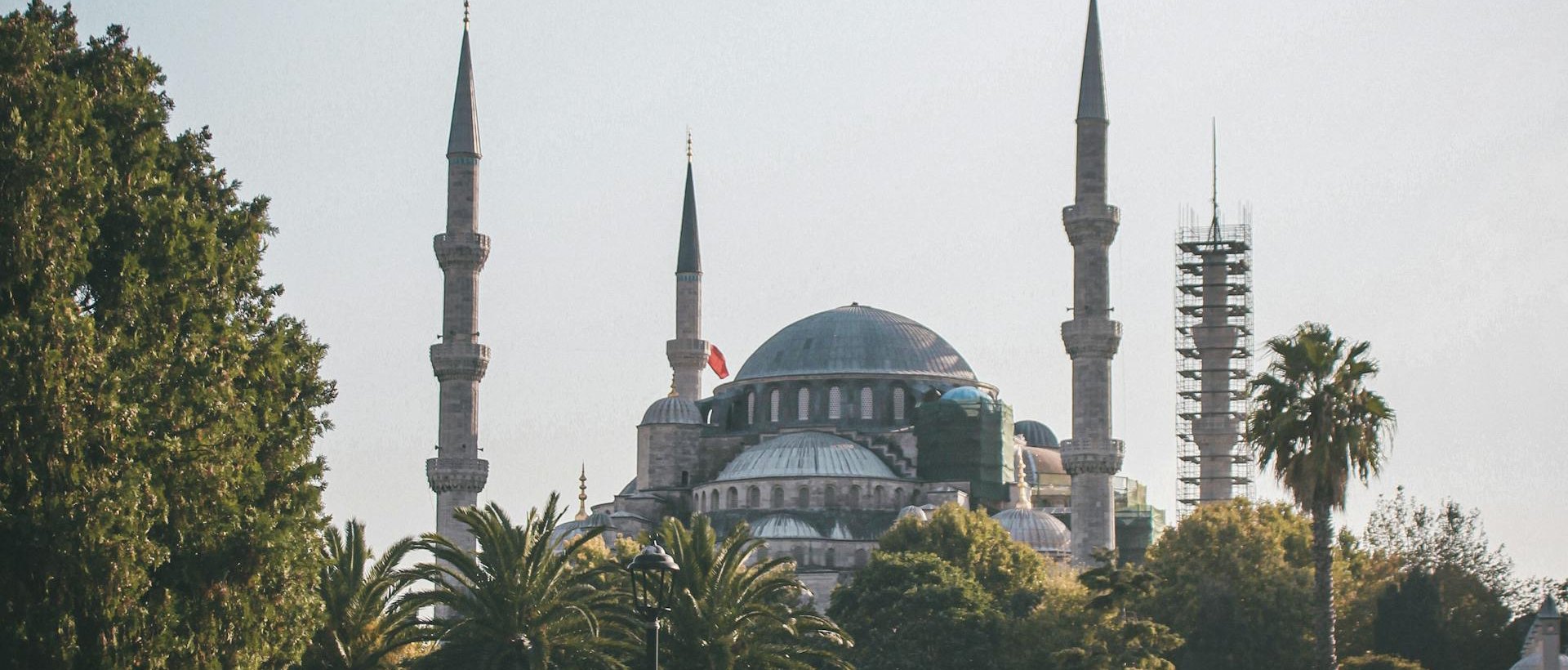
When Muslims talk about Hijrah, the conversation often jumps straight to extremes: sell everything, pack your bags, and move for good. For most families, that feels impossible — jobs, mortgages, children mid-school, elderly parents.
But Hijrah does not have to be dramatic. It does not mean abandoning Britain overnight, severing ties, and moving family and livelihood in one leap. History shows us that migration is often staged, deliberate, and strategic. The Prophet ﷺ himself directed Muslims first to Abyssinia --- a temporary refuge --- before the greater Hijrah to Madinah. It was about creating space, time, and safety, not burning bridges.
For Muslims in Britain today, one of the most rational first steps is the second home strategy: establishing a modest base in a Muslim-majority country while continuing life in the UK. It is not about escape; it is about building options. It provides a foothold for children, a retreat during crisis, and an insurance policy against Britain's economic, political, and social decline. It is a bridge toward Hijrah --- gradual, affordable, and realistic.
Why the second home matters
The UK faces converging crises: economic stagnation, political polarisation, cost-of-living pressures, and growing hostility towards Muslims. Add climate stress and the ripple effects of global proxy wars, and the future looks fragile. Anchoring all family prospects to this one system is risky.
A second home abroad addresses this risk without demanding a full relocation. It creates:
- Optionality: A place to go if Britain becomes unliveable.
- Familiarity: Early experiences with schools, healthcare, and
community life abroad.
- Continuity: A way to maintain UK careers and networks while
exploring alternatives.
- Security: A property or residence abroad can protect savings from
sterling decline and UK-specific risks.
This is foresight, not panic. It is the same principle families apply with insurance: you hope you do not need it, but you are glad it exists when crisis comes.
Practical dimensions of the strategy
Location
The choice of country matters. Options vary depending on budget, cultural affinity, and visa systems:
- Turkey: A popular choice due to proximity, strong infrastructure,
and a welcoming environment. Property options are broad, and residency routes are accessible.
- Malaysia: English-speaking, family-friendly, and home to strong
Islamic institutions. The "Malaysia My Second Home" programme has drawn many expatriates.
- Gulf states (UAE, Qatar, Saudi Arabia): Offer security,
infrastructure, and professional opportunities, though living costs can be higher.
- North Africa (Morocco, Tunisia): Affordable property and proximity
to Europe, with emerging opportunities linked to green energy.
Each location comes with trade-offs: climate, cost, bureaucracy, and long-term security.
Cost
Second homes do not need to be lavish. In Turkey, a modest apartment in a provincial city can cost under £50,000. In Morocco, property prices remain affordable outside tourist hotspots. Families should think of this as an investment in optionality, not as a luxury.
Schools and healthcare
The main concerns for families are children's education and healthcare. Many Muslim countries now have international schools, bilingual education, and modern healthcare facilities. The Gulf leads in this regard, but Turkey and Malaysia also score well. Exploring these in advance ensures a smoother transition if relocation becomes necessary.
Residency and visas
Some countries allow property owners to secure residency permits. Others, like Malaysia, offer structured programmes. The Gulf often ties residency to employment or investment. Understanding these frameworks early helps families avoid surprises later.
Geopolitical logic of the second home
The second home strategy is not just a personal safeguard; it aligns with global realities.
- Multipolarity: As Western dominance declines, Muslim-majority
countries are gaining agency. The Gulf is investing in renewables and finance, Turkey in manufacturing and logistics, Malaysia in education and technology. These are future-oriented societies.
- Sterling vulnerability: The pound is tied to the U.S.-led
financial system, which faces challenges from de-dollarisation and global debt. Diversifying assets abroad is rational protection.
- Climate resilience: Some Muslim countries are better positioned
for food and energy security than Britain. Building ties there reduces dependence on fragile UK systems.
Community and identity benefits
Beyond economics and geopolitics, a second home provides intangible benefits:
- Children's identity: Spending summers or months abroad strengthens
language skills, cultural literacy, and Islamic identity.
- Family bonds: Ties to extended relatives abroad are easier to
maintain with a home base.
- Ummah connection: Living part-time in Muslim societies helps
families feel connected to the global Ummah, rather than isolated in minority status.
These are not luxuries. They are forms of resilience --- spiritual, cultural, and communal.
Islamic anchoring
The Qur'an reminds us: "And whoever emigrates for the cause of Allah will find on the earth many \[alternative\] locations and abundance" (4:100). Hijrah is not just about escaping harm; it is about seeking abundance and safety in new places.
The Prophet ﷺ's strategy of sending companions to Abyssinia shows us that migration can be staged. It can be temporary, partial, and preparatory. The second home strategy is a modern version of that foresight. It creates space and security without finality.
Practical steps for families
1\. Assess finances. Treat this as part of family planning, not a side project. Calculate budgets, explore financing, and avoid debt traps.
2\. Research destinations. Visit, explore schools and healthcare, test daily life. Do not rely only on social media narratives.
3\. Engage networks. Speak with friends or relatives who have made similar moves. Join diaspora forums.
4\. Start small. A modest apartment is sufficient. The goal is presence, not luxury.
5\. Test the rhythm. Spend holidays or summers abroad. Let children experience schools or camps. Build familiarity.
Anticipating objections
Some will say: "But Britain is still safer, wealthier, more stable than many Muslim countries." That may be true today. But foresight is not about today; it is about tomorrow. Insurance looks unnecessary --- until it becomes vital.
Others argue: "We cannot afford a second home." For some families, that is true. But many can --- if they reallocate savings, rethink priorities, or collaborate with relatives. A car depreciates; a second home abroad appreciates in value and creates long-term options.
Finally, some worry: "Is this abandoning Britain?" No. Muslims have contributed to this country and will continue to. The second home strategy is not abandonment; it is resilience. It is about safeguarding deen and dignity in an uncertain world.
Conclusion: building bridges, not burning them
When Muslims talk about Hijrah, the conversation often jumps straight to extremes: sell everything, pack your bags, and move for good. For most families, that feels impossible — jobs, mortgages, children mid-school, elderly parents.
But Hijrah does not have to be dramatic. The second home strategy is a bridge --- practical, affordable, and achievable. It gives Muslim families in Britain time, options, and dignity in the face of uncertainty. It aligns with Islamic foresight, global realities, and family wellbeing.
The unipolar world is ending. Britain faces economic, political, and climate stress. Muslims who prepare now will not be forced into desperation later. The Prophet ﷺ taught us to act with wisdom before crisis, not during it. For our generation, the second home strategy is that wisdom. It is not about leaving Britain behind. It is about making sure our families have somewhere safe to turn --- a bridge to Hijrah when the time is right.
Next Step: The practical first step is the [Muslim Family Relocation Checklist](../guides/relocation-checklist) — a phased, stage-by-stage planning guide. And for a deeper look at how to think about the decision timeline, [Hijrah in Stages](../article/hijrah-in-stages) offers the prophetic model for gradual, deliberate migration.