Safeguarding Your Deen in Britain: Living Through Fitnah
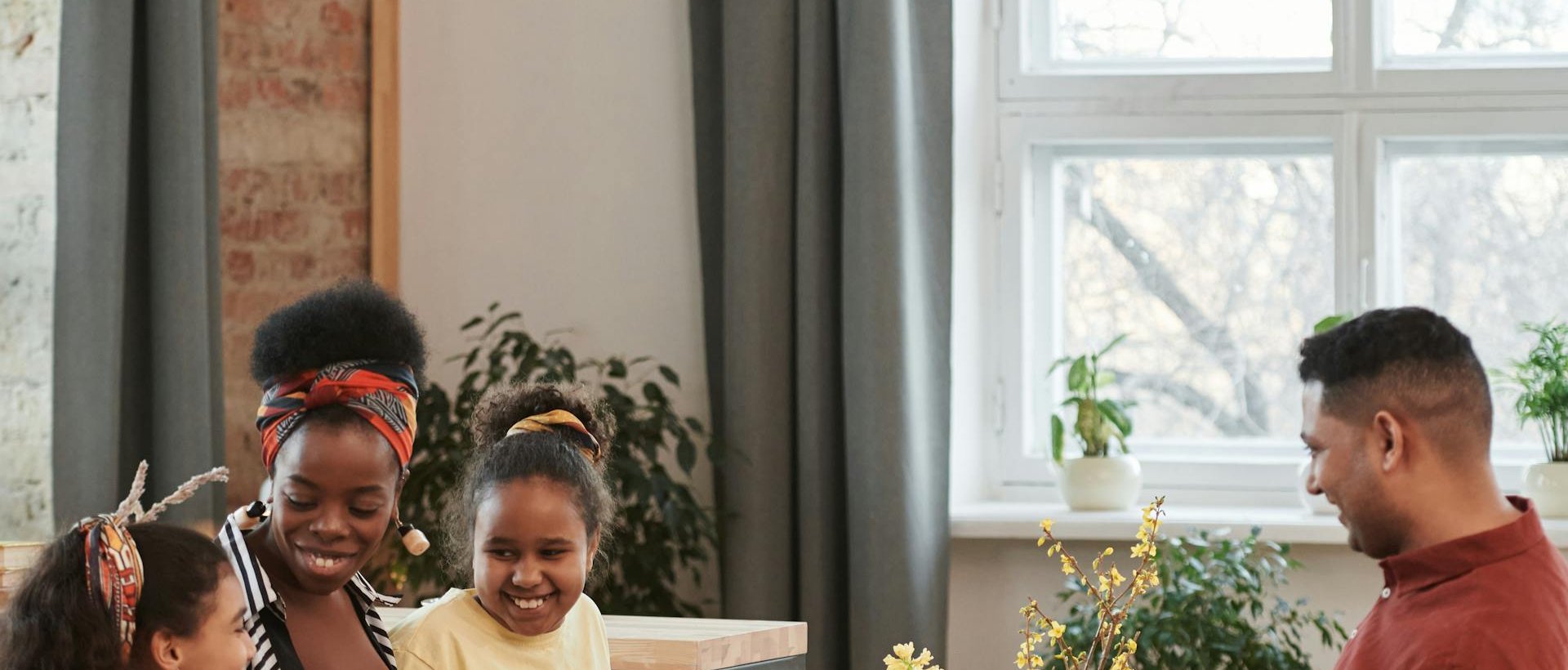
Everyday life for Muslims in Britain comes with a quiet tension that many of us barely acknowledge. It is the background hum of compromise, the small frictions that build up over years: conversations with our children about why they cannot join in with certain school activities, debates in the workplace about flexible hours during Ramadan, the sense of being scrutinised whenever another story about Muslims makes the news. Nothing so dramatic that we can call it open persecution, but rarely a day goes by without some reminder that we are living in a society that pulls us away from our faith rather than towards it.
This tension is what our tradition calls fitnah. In the Qur'an, the word describes trial, confusion, and pressure -- sometimes in the form of persecution, sometimes as moral corruption, sometimes as tests of loyalty and patience. In Britain today, Muslims are not beaten in the streets for their iman, but our children are asked to explain and defend their Islam in classrooms; our workplaces celebrate every festival except our own; our financial system demands compromise on riba, insurance, and pensions. The fitnah is quieter, but in many ways more insidious. It wears away at confidence and identity, especially across generations.
The warning of the Prophet ﷺ that holding onto your faith would one day be like holding onto hot coals resonates more now than it might have a generation ago. The question is how to respond to this environment -- not with panic or withdrawal, but with foresight, planning, and resilience.
Fitnah in the British Context
Britain is not neutral ground. Its political debates around "British values," integration, and extremism cast Muslims as a community that must constantly prove its loyalty. Its cultural mainstream celebrates values that contradict Islam, whether around family, modesty, or finance. And its economic systems make participation without compromise increasingly difficult.
Against this backdrop, safeguarding your deen requires more than good intentions. It demands deliberate strategy. The first line of defence is the home. Families need to recognise that their household is not just a place to eat and sleep but a fortress for identity. Prayer in congregation, Qur'an recitation, and open conversations about current challenges need to be the rhythm of family life. Without this, children absorb the surrounding culture by default. Parents often underestimate how much television, YouTube, TikTok, and peers shape identity -- and how little time is left for Islamic grounding if they are not proactive.
The second line is community. A family cannot stand alone indefinitely. Strong masjids, youth groups, and peer networks are the social reinforcement children need. Too often, Muslim parents in Britain reduce community involvement to the bare minimum -- Jumu'ah attendance or the odd madrassah class -- while their children live most of their social lives in secular settings. This imbalance erodes confidence. To safeguard deen, the masjid must be a genuine hub. Families that prioritise this find their children more likely to see Islam as a normal, lived reality rather than an eccentricity.
The third element is resilience to external pressures. Muslims in Britain cannot escape schools, media, or workplaces. The key is equipping families with tools to interpret these pressures. That means critical thinking: teaching children how to question narratives, showing them how statistics can be used to mislead, and modelling polite firmness when values clash. Instead of defensive anxiety, resilience builds dignity. A Muslim who knows how to hold their ground without hostility commands respect.
When Resilience Isn't Enough
Even with strong homes and communities, we must be realistic about the limits of resilience in a society where the tide runs against us. Fitnah wears people down over time. A child who prays in primary school may give it up in secondary when surrounded by different influences. A professional may begin with firm boundaries but gradually erode them to fit in. Generations can be lost not through rebellion but through attrition.
This is why the concept of Hijrah remains relevant. In the Seerah, migration was not about comfort but survival of faith. When the early Muslims could no longer practise freely in Makkah, they moved to Abyssinia, and later to Madinah. It was strategic, not emotional. Today, many British Muslims dismiss Hijrah as unrealistic. But perhaps this is because they see it only as an all-or-nothing move. In reality, foresight can mean preparing options, creating bridges, and giving your family at least one alternative to the constant grind of compromise.
One such bridge is the idea of a second home abroad. This does not have to be a grand villa or a retirement plan. It could be a modest flat in Istanbul, Bursa, or Kuala Lumpur. For families, it serves several functions at once: a place to spend summers where Islam is normalised; a safe haven if Britain becomes more hostile; a foothold that makes future relocation less daunting. Many families already spend money on buy-to-let investments in the UK; redirecting some of that thinking towards a base in a Muslim country is simply another way of diversifying -- financially, culturally, and spiritually.
Britain's Trajectory and Muslim Foresight
We should also be frank about Britain's wider trajectory. The country faces an ageing population, rising debt, strained public services, and deep political polarisation. Historically, declining powers often look for scapegoats, and Muslims are convenient targets. This doesn't mean Britain is about to collapse, but it does mean that the pressures on minority communities will not ease any time soon.
Safeguarding your deen is therefore a layered strategy. Strengthen the home, connect to community, build resilience, and plan for contingencies. The contingencies may include remote work skills, international networks, savings outside the UK system, or that second home abroad. None of this means abandoning Britain tomorrow. It means refusing to let fitnah erode faith while pretending everything is fine.
The Qur'an reminds us to protect ourselves and our families from the Fire, and also records the angels asking those who claimed oppression why they did not migrate when Allah's earth was spacious. These verses are not distant history. They are guidance for moments when environments become corrosive. Britain today still allows space for Muslim life, but it does so grudgingly and conditionally. We should not be naïve enough to think that space cannot shrink.
Conclusion: Planning with Clarity
For parents, the choice is stark: act deliberately to safeguard deen now, or watch children gradually lose it under pressure. For communities, the task is urgent: build stronger institutions that give Muslims dignity in the present and options for the future. For individuals, the responsibility is personal: hold onto the hot coals, yes, but also prepare a way forward.
Safeguarding your deen in Britain is not about living in fear. It is about living with foresight. The Prophet ﷺ gave his companions options when Makkah became unliveable. We owe ourselves and our children the same: practical strategies now, contingency plans for later, and the courage to move when Allah makes it clear the time has come.
Next Step: If you are thinking about how to protect your faith and your family's future, [Hijrah in Stages](../article/hijrah-in-stages) and [Why Thinking About Hijrah Matters Now](../article/why-hijrah-matters-now) are natural next reads. Both offer practical, faith-grounded starting points — no drama, no panic.