Raising Muslim Children in Britain: Protecting Faith and Identity
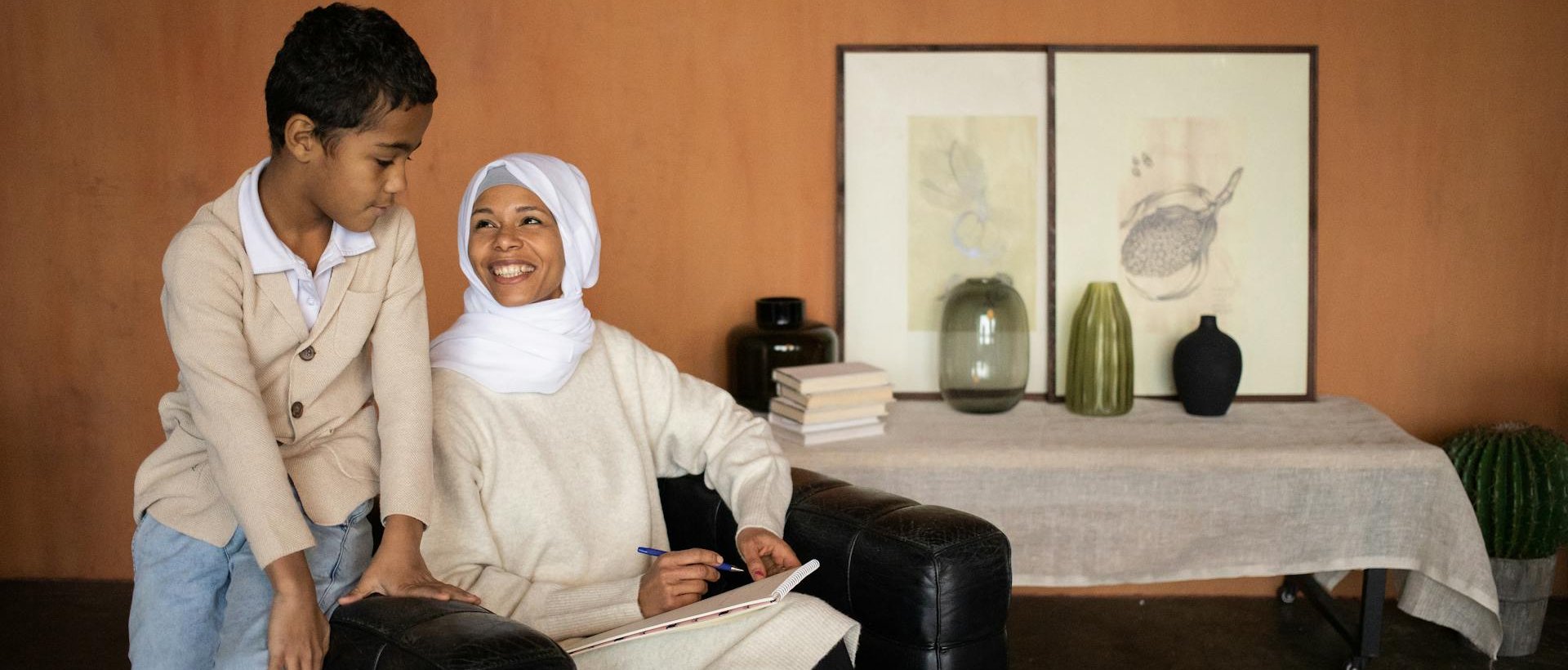
Walk into any British classroom and you'll quickly see the challenges Muslim children face. They are surrounded by peers with different values, taught curriculums that often contradict what they hear at home, and bombarded with media that constantly pushes identities and lifestyles at odds with Islam. Parents try to reassure themselves that a strong home will be enough, but the truth is more complicated. Children don't just inherit identity --- they construct it every day through what they see, hear, and absorb. In a society where Islam is marginalised, safeguarding that identity takes more than reminders. It takes deliberate effort, foresight, and planning.
The problem is not simply hostility. Many British schools and institutions talk about inclusion and diversity. But inclusion often means assimilation: join in everything, adopt the same cultural references, and flatten differences. A Muslim child is told they are free to be themselves, yet subtly pressured to conform. The hijab becomes a topic of curiosity, not normality. Saying "I can't eat that, it's not halal" makes them different. Fasting in Ramadan is treated as odd or even unhealthy. These signals accumulate. A confident eight-year-old can become a hesitant teenager who quietly blends in to avoid standing out.
Identity Under Pressure
Muslim parents often underestimate how fragile identity can be in these years. It is not enough to tell a child "you are Muslim." The surrounding culture constantly tells them something else: "you are British first," "faith is private," "religion is backward." Over time, children internalise conflicting messages. Some push back and strengthen their faith; others compartmentalise Islam as a cultural background rather than a lived reality.
This is compounded by the rise of digital culture. Social media exposes children to influencers, trends, and debates far beyond their parents' reach. TikTok, YouTube, and Instagram shape worldviews in ways that even teachers cannot. For Muslim children, this creates identity fatigue: being Muslim at home, someone else at school, and someone else online.
Anchoring Children in Islam
Protecting identity in this climate requires more than defence. It requires active anchoring. Families that succeed in this do a few things differently. They make prayer not a lecture but a shared rhythm. They talk openly about challenges, rather than dismissing them. They give children pride in being Muslim by connecting them to the wider Ummah --- stories of Muslims across history and today, from Andalusia to Malaysia. And they provide spaces where Islam is normal: Qur'an circles, youth groups, Islamic schools when possible.
Parents also need to model confidence. A child who sees their father make wudhu in public or their mother confidently decline non-halal food learns that Islam is lived, not hidden. Confidence is contagious. When parents compromise quietly, children absorb that too.
The Role of Community
No family can safeguard identity alone. Peer influence is too strong. That's why community is crucial. Masjids that are vibrant, youth groups that are engaging, and friendships that reinforce values all make the difference. Without them, children spend 90% of their social time in secular spaces. With them, they see that Islam is not just their parents' rulebook but a shared way of life.
This doesn't mean isolating children. It means balancing influences. A Saturday madrassah is not enough if the rest of the week pulls in the opposite direction. Families need to invest in community life as much as they invest in school grades.
The Long-Term Challenge
The challenge grows as children age. A child who defends Islam proudly at 10 may compromise at 15 when friendships and acceptance feel more important. A teenager who wears hijab confidently at home may remove it when walking into school. Parents often discover these struggles too late, when the identity drift is already advanced. Prevention is easier than repair.
This is where foresight comes in. Britain will not become more accommodating. If anything, cultural pressures will intensify. Campaigns against Islamic schooling, debates about hijab, and constant media suspicion make it harder for children to be visibly Muslim. Families cannot assume the environment will improve. They must plan for resilience now.
The Second Home Bridge
For some, this planning may include considering time abroad. A second home in a Muslim country can provide children with an anchor they don't get in Britain. Spending summers in Istanbul or Kuala Lumpur, for example, allows them to see Islam not as minority difference but as cultural mainstream. Eid is a public holiday. Adhan echoes across the city. Halal food is everywhere without explanation.
Even if a family does not make full Hijrah, these experiences matter. They give children a reference point. When classmates mock their deen, they remember environments where Islam is respected. When identity feels fragile, they know there are places in the world where they fit naturally. The second home bridge is not only about escape; it is about reinforcement.
Case Study: The Rahman Family in London
The Rahmans struggled with their teenage daughter's confidence in hijab. At school, she felt isolated. On social media, she faced endless comparisons. The parents decided to spend every summer in Bursa, Turkey, using a small apartment they purchased. Over three years, their daughter transformed. Surrounded by girls her age wearing hijab proudly, she no longer felt odd. When back in London, she still faced pressure, but she carried herself differently --- as someone who had seen another way of living.
The Rahmans did not leave Britain. But by providing their daughter with an anchor, they safeguarded her identity in a way that lectures alone never could.
Conclusion
Protecting children's identity in Britain today is one of the hardest tasks Muslim parents face. It requires more than good intentions. It demands deliberate action: strong homes, vibrant communities, resilience training, and sometimes, strategic foresight that looks beyond Britain.
Fitnah today does not always come as persecution. It comes as confusion, erosion, and compromise. The families that succeed are those who plan, who give their children pride in being Muslim, and who prepare anchors --- whether local or abroad --- to hold firm against the tide.
Our children cannot choose the environment they grow up in. But we can choose how we equip them. Safeguarding their identity is not about shielding them from the world; it is about giving them the strength to walk through it as Muslims, unashamed and unshaken.
Next Step: Protecting identity at home is the foundation. If you are thinking about building broader resilience for your family, [Hijrah in Stages](../article/hijrah-in-stages) explores how families can gradually build options abroad — while maintaining school, work, and community in the UK.