Climate Crisis: Why Muslims Must Think Beyond the UK
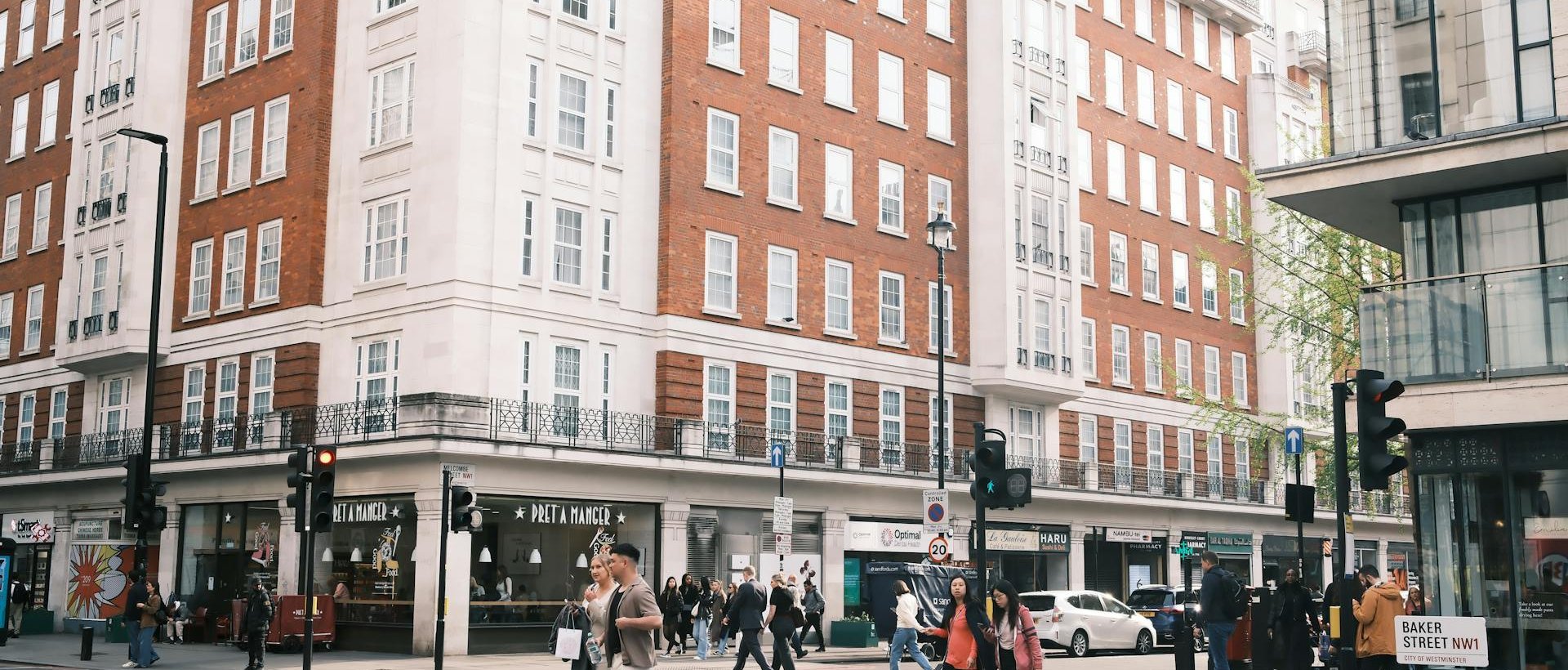
The climate crisis is no longer a prediction. It is here. Floods in Pakistan, wildfires in Southern Europe, and food inflation across Britain all tell the same story: a destabilised environment is destabilising societies. For Muslims in the UK, the implications are sharper than most realise. Our communities are often concentrated in vulnerable urban areas, already grappling with cost-of-living pressures. Climate stress compounds those vulnerabilities.
But this is not just about hardship at home. The climate crisis is also reshaping geopolitics, energy markets, and migration flows. It is a driver of the multipolar world that is emerging, where Western powers are weaker and Muslim lands can claim new importance. For Muslims in Britain, the lesson is straightforward: do not anchor your family's future to a country already struggling to cope with climate shocks. Think beyond the UK, and consider how foresight today can protect deen, dignity, and livelihoods tomorrow.
Britain's exposure: fragile systems under strain
Britain is not immune to climate stress. It is, in many ways, highly exposed.
- Flooding: The UK Met Office warns that annual rainfall is rising,
with heavy downpours becoming more intense. Cities like Birmingham, Bradford, and Leicester --- home to large Muslim populations --- are on flood-risk maps. Insurance costs are climbing; some homes are becoming uninsurable.
- Food prices: The UK imports around 45% of its food. Climate
shocks abroad --- droughts in Spain, floods in Morocco, heatwaves in India --- directly drive UK supermarket inflation. In 2023, vegetable shortages led to rationing in major supermarkets. Food prices hit record highs, with Muslim households, which spend proportionally more on food, among the hardest hit.
- Energy stress: Britain's reliance on imported gas leaves it
vulnerable to global energy markets. As the Ukraine war showed, disruptions elsewhere translate into soaring bills here. Climate-driven energy demand (heatwaves, cold snaps) will add volatility.
- Urban heat: Heatwaves are becoming more frequent. Poorer
inner-city neighbourhoods --- where many Muslims live --- suffer more, with less green space and poorer housing insulation. Health risks rise, especially for the elderly.
All of this means the everyday environment for British Muslims is becoming harsher. What was once predictable --- stable weather, affordable food, reliable services --- is eroding.
The global climate economy: who wins, who loses
Climate change is not just an environmental crisis; it is an economic and geopolitical one.
- Europe under pressure: Southern Europe faces water scarcity and
fire risk; Northern Europe faces flooding. Agriculture is under stress. Energy transitions are costly. The EU is pouring money into decarbonisation, but the strain is visible in food prices and industrial competitiveness.
- The Muslim world's geography: Many Muslim-majority countries are
climate-vulnerable too. Pakistan's 2022 floods displaced 33 million people. North Africa faces water stress. The Gulf faces extreme heat. But these regions also sit on strategic resources: oil, gas, solar potential, rare minerals. They are at the heart of the world's climate-adjusted economy.
- Multipolar opportunities: Gulf states are investing billions in
renewables, green hydrogen, and food security projects. Turkey is positioning itself as a green energy corridor. Malaysia and Indonesia control critical commodities like palm oil and nickel. As the world shifts, Muslim lands can play pivotal roles.
For Muslims in Britain, this means options. While the UK struggles to maintain affordability, Muslim regions may offer both lower living costs and new opportunities linked to the green transition.
Migration and mobility in a climate age
Climate-driven migration is already reshaping politics. Millions are displaced annually by floods, droughts, and storms. By 2050, the World Bank estimates up to 216 million climate migrants could be on the move.
Europe will be a destination for some of these flows --- and the political backlash will be severe. Far-right parties across Europe are already weaponising immigration fears. As climate migration rises, hostility towards minorities, especially Muslims, is likely to grow.
This has direct implications for Muslims in Britain. Even those settled for generations may face suspicion as rhetoric hardens. Living in a society under climate stress and political strain will be very different from the relative calm of the early 2000s.
By contrast, Muslim-majority countries may become more attractive destinations. Turkey, Malaysia, and Gulf states are already drawing in expatriates. They are investing in infrastructure, food security, and resilience. They may offer more dignity and stability for Muslim families than a Europe consumed by climate anxieties.
Families and communities: why foresight matters
For the average Muslim family in the UK, the climate crisis will show up in three ways:
1\. Household budgets: Rising food and energy bills will erode disposable income. Already, food inflation in 2022--23 averaged over 15%. Muslim households, with larger families and higher food spend, feel this more acutely.
2\. Health and wellbeing: Heatwaves, damp housing, and air pollution will worsen health outcomes. Elderly relatives are especially at risk.
3\. Community stability: As services (NHS, local councils) are stretched by climate-linked crises, Muslim communities --- already under-served --- will feel the pinch. Add to this the risk of scapegoating during political cycles, and the picture is bleak.
Foresight means acting before this pressure becomes unmanageable. It means considering a second home, building ties abroad, and exploring alternative futures for children.
Climate, multipolarity, and the Ummah
The climate crisis is also a driver of the new multipolar order. Energy transitions, food security politics, and water scarcity are pushing countries to realign.
- Energy: Gulf states are using oil wealth to invest in renewables
and diversify economies. They aim to remain central players in the post-oil world.
- Food: Countries like Turkey are investing in agricultural
resilience. North Africa is securing grain supplies from Russia. Southeast Asia is becoming critical for global food chains.
- Water: Tensions around rivers like the Nile, Indus, and Euphrates
show how vital water politics will be.
For Muslims, this is not just geopolitics. It is a reminder that our lands are central to the world's future. Instead of being pawns in a Western-led order, Muslim countries are now emerging as indispensable nodes in the climate-adjusted economy. This creates both risks and opportunities.
Islamic anchoring: stewardship and foresight
The Qur'an frames humanity as khalifah --- stewards of the earth. "It is He who has made you successors upon the earth..." (35:39). Stewardship includes recognising when systems are collapsing and making choices that protect faith and families.
The Prophet ﷺ also taught foresight. The Hijrah to Abyssinia was a proactive step, not a desperate escape. It preserved deen in the face of hostility. In the climate age, foresight means preparing for instability before it overwhelms us.
Islam also emphasises balance (mīzān). "And the sky He raised, and set up the balance, that you not transgress within the balance." (55:7--8). Climate change is the result of imbalance --- exploitation without restraint. Muslims should lead in restoring balance: living responsibly, reducing waste, and aligning with societies investing in sustainability.
Strategic options for British Muslims
1. Build awareness. Understand how climate change affects the UK economy: food inflation, housing risks, health stresses. Follow serious sources, not only headlines.
2. Consider mobility. Explore second-home or relocation options in Muslim-majority countries investing in resilience (Turkey, Malaysia, Gulf). This is not alarmism; it is foresight.
3. Engage in solutions. Invest in green businesses, support Islamic charities tackling climate-linked poverty, teach children about stewardship. These are both spiritual duties and practical safeguards.
4. Plan finances. Rising insurance costs, energy bills, and food inflation will pressure budgets. Diversify savings, consider halal investments in commodities or property abroad, and avoid over-reliance on sterling.
Conclusion: thinking beyond Britain
The climate crisis is not a distant risk; it is today's reality. In Britain, it is eroding affordability, stretching services, and fuelling political hostility. Muslim families are particularly exposed.
At the same time, the crisis is reshaping the global order. Muslim lands, once treated as pawns, are becoming central players in energy, food, and climate politics. This creates new opportunities for Muslims who act with foresight.
The choice is simple: wait until crisis forces us into desperate decisions, or prepare calmly now. The Prophet ﷺ taught us to act with wisdom, not panic. The Qur'an reminds us that power and prosperity shift between peoples. For Muslims in Britain, the climate crisis is a sign to think beyond Britain --- to build bridges, preserve deen, and secure dignity in a world that is changing faster than most are ready to admit.
Next Step: Climate risk is increasingly a family planning factor, not just an environmental concern. [The Second Home Strategy](../article/the-second-home-strategy) looks at how families can build a foothold in more stable environments — beginning now, while the decision is still calm and deliberate.