Britain After Brexit: What Every Muslim Family Needs to Understand
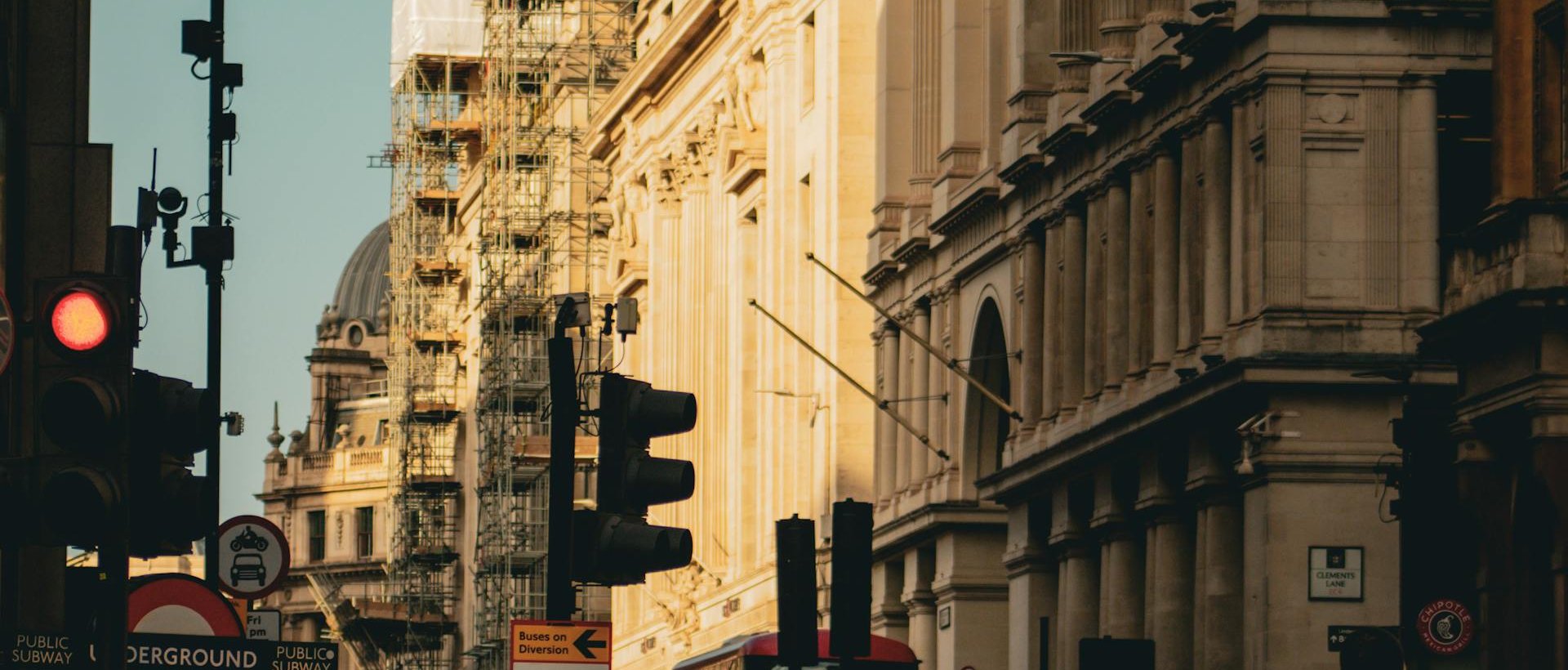
Brexit was sold as the moment Britain would "take back control." Promises were made of renewed sovereignty, stronger borders, flourishing trade deals, and a leaner, more independent economy. Years on, the reality looks very different. Far from a revival, Britain is grappling with economic stagnation, strained public services, and an increasingly hostile political climate.
For Muslims in Britain, the consequences are even sharper. We are not just another demographic living through Brexit's fallout --- we are positioned at the very fault lines of its economic, social, and political effects. The burdens of post-Brexit Britain fall unevenly, and Muslims find themselves carrying a disproportionate share.
The Economic Squeeze
The first and most visible consequence of Brexit is the economic downturn. Trade with the European Union has become more costly and complicated. Small businesses, many of them owned by Muslims, struggle with import/export red tape. Rising tariffs and customs checks add delays and costs that eat into already thin margins.
At the household level, inflation has eroded purchasing power. Prices for food, fuel, and everyday goods climb faster than wages. Britain, once able to rely on easy European supply chains, now pays more to bring goods in. For Muslim families --- who already allocate significant portions of their income to rent, remittances, and halal food that often comes at a premium --- this squeeze bites harder than for most.
Public finances tell the same story. With slower growth and higher debt, the government turns to higher taxes and reduced services. That means cuts to benefits, stricter eligibility for support, and overstretched institutions like the NHS. Muslim communities, often younger and more reliant on public services, feel these cuts acutely. Austerity is not an abstract policy; it is waiting longer for GP appointments, struggling to access housing support, and watching community services disappear.
A Shifting Political Climate
Brexit was never just an economic event; it was also a cultural one. The referendum campaign mobilised identity politics, framing the vote as a defence of "Britishness" against outsiders. That rhetoric did not disappear when the ballots were counted. Instead, it became embedded in political discourse.
Today, the legacy of Brexit shows up in harder immigration policies, louder debates about loyalty, and a normalisation of suspicion towards minorities. Muslims, already positioned as "the other," find themselves further marginalised.
The political class, facing economic failures they cannot easily fix, often resorts to scapegoating. Migrants are blamed for strained services. Minorities are accused of "failing to integrate." Debates about national identity become sharper, and Muslims become the convenient example of what Britain supposedly risks losing.
This isn't new. Declining powers throughout history have turned inward, seeking to reinforce fragile identities by targeting visible minorities. Post-Brexit Britain is showing the same pattern.
Social Pressures and Identity
For ordinary Muslims, these political shifts translate into daily pressures. In schools, children face sharper questions about belonging. In workplaces, Muslims encounter new layers of suspicion. On the streets, Islamophobia is emboldened by leaders who speak carelessly about "British values" as if they exclude Islam.
At the same time, opportunities narrow. Brexit has reduced the flow of European workers, but instead of opening doors for minorities, the vacuum has been filled with rhetoric about "controlling borders." Muslim youth already face higher unemployment rates; in a shrinking economy, their chances diminish further.
The identity dilemma grows sharper. British passports give legal rights, but the social reality tells Muslims they remain conditional members of society. The message is subtle but persistent: your belonging is always up for debate.
Islamic Anchoring
Islam provides clarity in times of confusion. Belonging for Muslims has never been defined by passports or political borders. The Qur'an tells us: "Indeed this Ummah of yours is one Ummah, and I am your Lord, so worship Me" (21:92). Our connection is to faith and to each other, not to fragile political systems.
This does not mean abandoning responsibility as citizens. But it does mean understanding where our ultimate loyalty lies. If Britain becomes increasingly hostile, Muslims must not internalise the narrative that they are outsiders. They are part of a global Ummah that has weathered the rise and fall of empires.
A Case Study: The Farooq Family in Birmingham
The Farooqs run a small import business, bringing halal foods and textiles from Europe. Before Brexit, their operations were straightforward. Post-Brexit, customs checks delay shipments for weeks, adding thousands in extra costs each year. Customers complain about rising prices, and profits are squeezed.
At the same time, the family's children face new questions at school: "Are you British or Pakistani?" Political rhetoric filters down into the playground. Their eldest, once confident in identity, now hesitates when asked about belonging.
Frustrated, the Farooqs began looking at options abroad. Through relatives, they explored property in Turkey, eventually buying a modest apartment in Bursa. It serves as both a potential business base for imports and a cultural anchor for their children. Each summer, the family spends time there, recharging spiritually and socially. They have not left Birmingham, but they now feel less trapped by Britain's uncertainties.
The Second Home Bridge
This is the foresight many families need. Brexit is not a temporary disruption; it marks a structural decline in Britain's global position. The economy will not bounce back to pre-Brexit levels of growth and integration. For Muslims, waiting for conditions to improve is wishful thinking.
A second home abroad --- in Turkey, Malaysia, or elsewhere --- is not escapism. It is a strategic hedge. It allows families to:
- Diversify financially, avoiding total exposure to Britain's declining
system.
- Provide children with environments where Islam is public and normal.
- Build an exit plan if hostility rises further.
As with the first Hijrah to Abyssinia, these steps need not be permanent. They are bridges --- practical anchors that buy time and create options.
Britain's Long-Term Outlook
The broader outlook is sobering. An ageing population, high public debt, declining industrial base, and fractured political class all point to continued instability. Britain will likely remain in a cycle of slow growth, high taxes, and cultural insecurity.
For Muslims, this means a prolonged period of pressure. Belonging will be questioned more, not less. Economic burdens will be heavier, not lighter. And the scapegoating of minorities will remain a political shortcut for leaders unwilling to face structural decline.
Conclusion
Brexit was framed as a path to renewal, but it has instead revealed Britain's fragility. For Muslims, the impact is sharper: squeezed economically, marginalised politically, and pressured socially.
The response cannot be passive. Muslims must recognise these realities, safeguard their deen, and prepare for alternatives. Hijrah --- whether in full or through gradual steps like second homes --- is not an act of fear but of foresight.
Britain's decline will not reverse soon. The question is whether Muslims allow themselves to be carried along by its burdens or whether they act to build security, dignity, and faith elsewhere. The Muslim Moment exists to make that choice clearer, practical, and achievable.
What your family should do with this
Understanding the political and economic landscape is not about fear. It is about foresight.
Brexit has changed Britain in ways that are structural, not temporary. The question for Muslim families is not whether these pressures are real — they clearly are. The question is whether you are building your family's resilience to face them.
That might mean strengthening your roots in the UK community. It might mean exploring whether a foothold abroad gives you more options. It might simply mean having a plan — so that if things worsen, you are not scrambling.
Planning is not pessimism. It is responsibility.
Next Step: [Why Thinking About Hijrah Matters Now](../article/why-hijrah-matters-now) is the practical companion to this article — it explains how to move from awareness to considered, grounded planning.